
Government
Albany Council and mayor at odds over budget
By Jordan Kim
Advertisement · Why this ad?
Fatima holds a Bachelor's in Sociology and Communications from the University at Buffalo and has spent four years reporting on community issues for Rochester's grassroots publications. Her deep engagement with local neighborhoods informs her storytelling.
More from Fatima →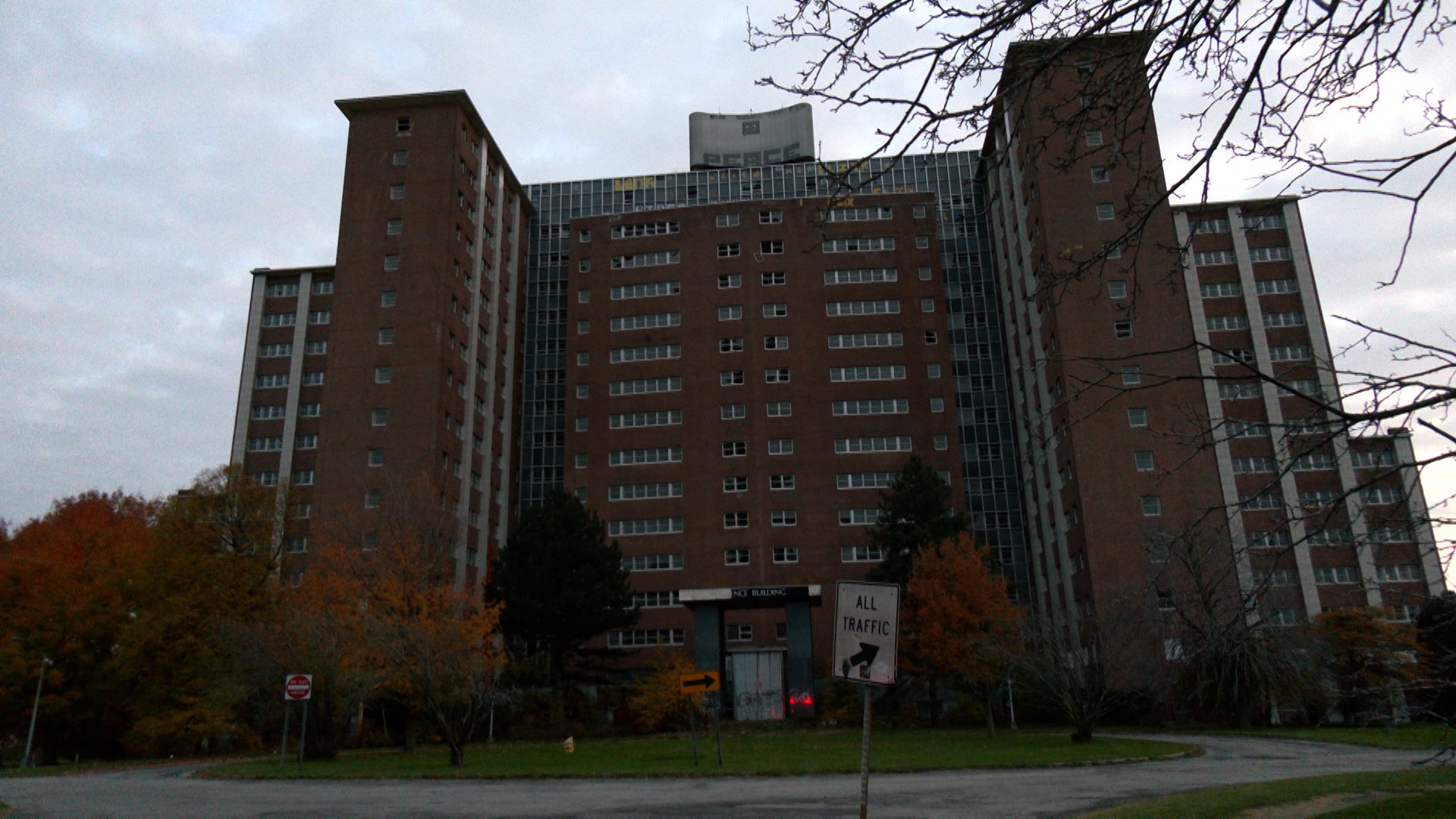
"It’s very positive. I’m really looking forward to it." Luke Lorenzo’s voice echoed with hope as he stood outside the long-abandoned Terrence Building on Elmwood Avenue, a structure that has loomed over the Highland Park neighborhood like a specter for decades. After years of discussions, plans are finally in motion to demolish this former psychiatric hospital, paving the way for a revitalized community space.
On October 20th, the Rochester City Council took a significant step forward by approving the allocation of $20 million from the New York State’s Empire State Development Corporation for the demolition of the Terrence Building. This decision marks a turning point for the Highland Park area, which has long dealt with the safety concerns and aesthetic issues posed by the deteriorating structure. For many residents, this news is a breath of fresh air.
The Terrence Building has been a symbol of neglect, its crumbling facade and overgrown surroundings a stark contrast to the vibrant community that surrounds it. Nearby residents have expressed a collective sigh of relief at the prospect of its removal. As Lorenzo, a Highland Park resident for nearly 40 years, noted, "the building has outlived its usefulness, and it really needs to go." His sentiment resonates with many who have watched the building decay over the years.
The funding not only addresses the demolition but also sets the stage for a mixed-use redevelopment plan that aims to introduce 500 new housing units to the area. This ambitious project seeks to tackle the pressing housing shortage in Rochester, where the real estate market has become increasingly tight. Lorenzo remarked on the need for more housing, particularly new constructions, emphasizing the importance of revitalizing the neighborhood.
The response from the Highland Park community has been overwhelmingly positive, with many residents echoing Lorenzo’s enthusiasm. The prospect of new housing units is seen as a much-needed lifeline, especially in a city where affordable housing has become a critical issue. As families grow and new residents move in, the demand for adequate housing continues to rise.
However, not everyone is convinced that the development will meet the community's needs. Donna LaMura, another resident of Highland Park, voiced her concerns during discussions about the redevelopment. "They should make it more neighborly and livable and not just pack people into towers like they have on Saint Paul Street and in other locations all over the town," she cautioned. LaMura’s perspective highlights the delicate balance between development and community integrity, reminding city leaders that the quality of life for existing residents must be prioritized.
The conversation surrounding the Terrence Building’s future is not just about demolishing an old structure; it’s about creating a space that fosters community connection and enhances the livability of the neighborhood. Residents like LaMura are advocating for thoughtful planning that considers the unique character of Highland Park, ensuring that new developments do not compromise the essence of the community.
The proposed redevelopment plan for the Terrence Building site is ambitious, aiming to integrate both residential and commercial spaces. This mixed-use approach is designed to create a vibrant community hub that can attract families, young professionals, and retirees alike. The inclusion of 500 housing units is a significant commitment to addressing the housing shortage in Rochester, but it raises questions about how such a large number of units will fit into the existing landscape.
City planners and developers have the challenging task of ensuring that the new development harmonizes with the surrounding neighborhood. The vision is not just to replace the old with the new but to create a space that respects the history and character of Highland Park. The community is eager to see how the plans unfold and whether they will incorporate green spaces, parks, and amenities that promote a sense of belonging.
As the project moves forward, it is essential for community members to remain engaged in the planning process. Regular updates and opportunities for public input can help bridge the gap between developers and residents, ensuring that the final outcome reflects the desires and needs of the community. The hope is that the redevelopment will not only eliminate a longstanding eyesore but also enhance the overall quality of life in Highland Park.
The Terrence Building has been more than just an aesthetic issue for Highland Park residents; it has posed real safety concerns. Abandoned buildings can attract vandalism, trespassing, and other criminal activities, creating an environment of fear and uncertainty. The demolition of the Terrence Building is expected to alleviate these issues, allowing the community to reclaim the space and foster a safer neighborhood.
Residents have long reported concerns about the building's condition, with many fearing for the safety of children and families who frequent the nearby parks and recreational areas. The removal of the building will not only improve the visual landscape but also contribute to a sense of security in the community. With fewer abandoned structures, the hope is that residents will feel empowered to engage more with their surroundings, leading to a stronger, more connected community.
As the city moves forward with the demolition, it is crucial to maintain open lines of communication with the community. Keeping residents informed about timelines, safety measures during the demolition process, and plans for the new development will help build trust and foster a collaborative spirit. The city’s commitment to transparency will be key in ensuring that residents feel heard and valued throughout the redevelopment process.
While there is no confirmed timeline for the demolition and subsequent construction, the approval of funding marks a significant milestone in the revitalization of Highland Park. The community is eager to see how the plans unfold and what the future holds for the area. The potential for 500 new housing units is an exciting prospect, but it also comes with the responsibility of ensuring that the development aligns with the needs and desires of the residents.
As discussions continue, it is essential for community members to remain engaged and proactive in shaping the future of their neighborhood. Initiatives that encourage public input, such as community forums and informational meetings, can help ensure that the voices of residents are heard. The collaboration between city officials, developers, and community members will be vital in creating a space that fosters connection, safety, and a sense of belonging.
The redevelopment of the Terrence Building is not just about bricks and mortar; it is about building a future for families, creating a community that values safety, connection, and growth. As Highland Park looks toward a brighter future, the hope is that the new development will reflect the values of the community and contribute to the American dream of stable, loving households.
By Jordan Kim

By Emily Tran
By Maria Gomez

By Brian O'Malley