Jurors describe emotional deliberations, early doubts in Faith Hedgepeth murder trial
Maria Gomez has over 15 years of experience in local journalism, having previously served as the editor for the Hempstead Herald and a contributor to Newsday. She graduated from Long Island University with a degree in Journalism and has a passion for engaging with the diverse voices of Garden City. Maria believes that community journalism plays a crucial role in shaping local identity.
More from Maria →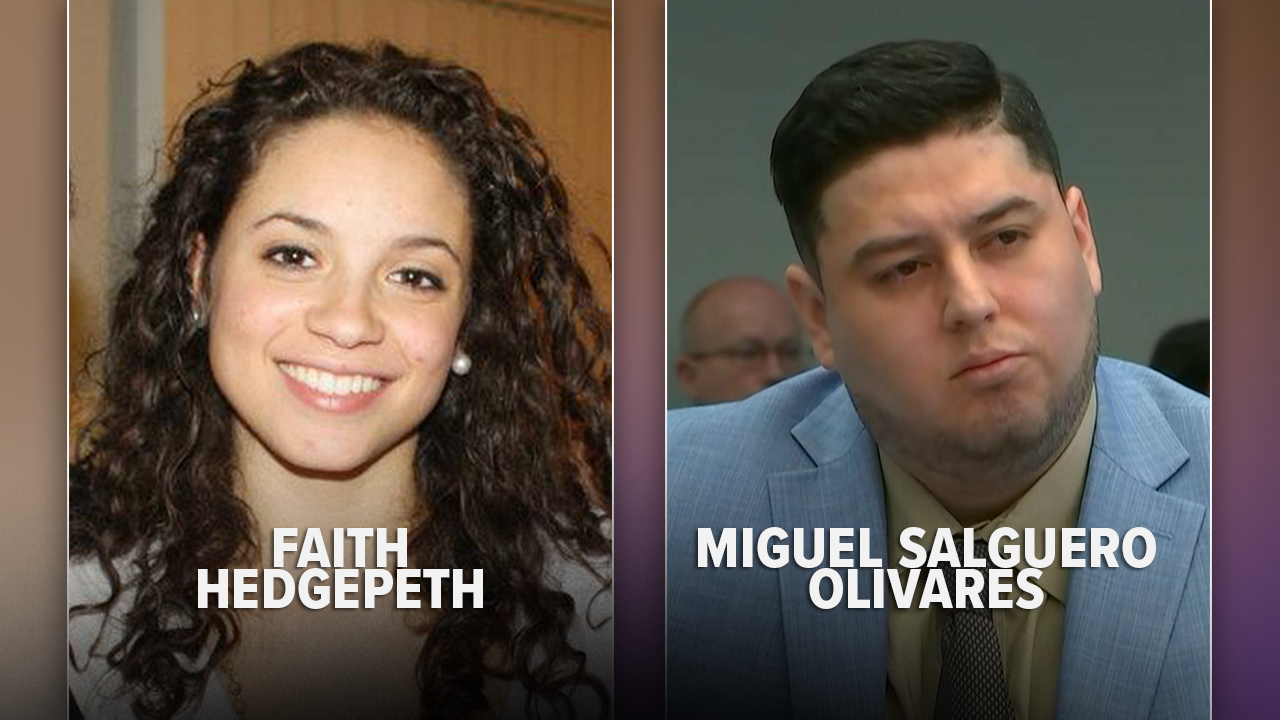
In a small room filled with tension and uncertainty, jurors gathered to deliberate the fate of a man accused of taking a young life. As they sifted through graphic evidence and emotional testimonies, the weight of their decision pressed heavily on their hearts. This profound human drama unfolded in a North Carolina courtroom, culminating in a verdict that brought a measure of closure to a community that had waited nearly 14 years for justice.
Jurors in the Faith Hedgepeth murder trial described emotional deliberations and initial doubts about the prosecution's case, ultimately convicting Miguel Salguero Olivares of the murder of UNC Chapel Hill student Faith Hedgepeth. The verdict, delivered on October 27, 2026, sentenced Olivares to life in prison without the possibility of parole for the 2012 killing, marking the end of a long and arduous quest for truth.
The Weight of Evidence and Doubt
The path to conviction was not without its challenges, even for those tasked with delivering justice. Sandra Powell, one of the jurors, openly admitted to entering deliberations with significant doubts. “I was like, I just don't understand. I need more evidence. I'm not understanding the burglary charge and the murder,” Powell recounted, reflecting the initial hesitation shared by three other jurors regarding whether the state had met its burden of proof.
Despite these early uncertainties, the deliberations were characterized as intense yet respectful. The jury foreman, Julie Fowler, played a crucial role in steering the group through the complexities of the case. Fowler wisely utilized a whiteboard, clearly delineating what could and could not be considered as evidence, a practice she said helped keep everyone focused. “Whenever I got hesitant and thought, 'What about this?' I could look up there and realize that's part of what we're not supposed to consider,” Fowler explained, highlighting the methodical approach taken to ensure a fair process.
Defense attorneys throughout the trial sought to sow seeds of reasonable doubt, pointing to what they argued were investigative missteps and mishandled evidence. These arguments resonated with some jurors, including Powell, who cited concerns such as the doorknob not being swabbed, missing pieces of crime scene evidence, and misplaced swabs. Such details underscore the immense pressure on law enforcement and forensic teams in high-stakes investigations, a process overseen by entities like the North Carolina Department of Justice.
However, Fowler, while acknowledging these concerns, ultimately felt they did not alter the fundamental outcome. “The things that were missed, I think if we had those things, I don't know for sure if it would have made a big difference,” she stated, indicating that the core evidence remained compelling. The meticulous work of forensic experts, often collaborating with agencies like the FBI's Violent Crime Program, is critical in such cases.
A moment of palpable surprise rippled through the courtroom when the defense unexpectedly rested its case without calling any witnesses. Juror Leon Adams expressed his astonishment, noting, “Didn't present nobody. No witnesses. There was supposed to be witnesses. Didn't show. At the last minute he said, 'We rest.'” Alternate juror Laura McCarthy echoed this sentiment, expressing confusion about the absence of character witnesses or testimony from past acquaintances that might have painted a different picture of the defendant.
Although McCarthy did not participate in the final deliberations, the forensic evidence presented left an indelible mark on her. She recalled how witness experts meticulously explained the intricacies of DNA and fingerprint analysis, leading her to a clear conclusion. “Witness experts we had really explained how DNA worked, how his fingerprints worked and just the alarming amount of evidence that pointed. How could it not be him?” McCarthy questioned, underscoring the power of scientific evidence in securing a conviction.
A Community's Long Wait for Healing
The trial took an undeniable emotional toll on all involved, particularly the jurors who were exposed to graphic crime scene photos and videos detailing the tragic death of Faith Hedgepeth, a bright student at the University of North Carolina at Chapel Hill. The weight of such responsibility is immense, asking ordinary citizens to confront the darkest aspects of human behavior and deliver a verdict that carries lifelong consequences.
In a poignant moment just before the jury returned its verdict, Sandra Powell and another juror sought solace and strength in prayer. “I was literally shaking,” Powell recalled, describing the profound emotional impact. She remembered the judge acknowledging the emotional intensity of the case, appreciating their service, as tears streamed down her face. “I'll never forget that feeling,” she added, a testament to the deep personal investment required of those who serve on a jury.
The conclusion of such a long-running case, nearly 14 years after Hedgepeth’s death, brought a wave of relief and sorrow. After reaching their decision, jurors embraced one another behind closed doors, a shared moment of profound experience and responsibility. They then met with members of Faith Hedgepeth's family, exchanging more hugs, a gesture of shared humanity and collective grief. This interaction highlights the vital role jurors play not just in legal proceedings but in the broader healing process for families and communities shattered by violence, a topic often explored by organizations like the Office of Justice Programs.
While the heart-wrenching details of the Faith Hedgepeth trial unfolded in Durham and Chapel Hill, far from our tree-lined streets in Garden City, the themes of justice, community safety, and the profound impact of crime on families resonate deeply here. We are a community built on strong values, where the commitment to truth and the well-being of our neighbors is paramount. This story, though distant, reminds us of the human side of our justice system and the dedication of ordinary citizens called to serve, reflecting the principles upheld by the North Carolina Judicial Branch.
Justice Served, Lessons Learned
The conviction of Miguel Salguero Olivares brings a definitive end to a chapter of uncertainty and pain for the Hedgepeth family and the wider community of Chapel Hill, a vibrant town that has grappled with this tragedy for so long. It underscores the unwavering commitment of law enforcement and the judicial system to pursue justice, no matter how long it takes. The diligent work of investigators in cities like Durham and Chapel Hill, often supported by state resources from the State of North Carolina, is a testament to this resolve.
This case also serves as a powerful reminder of the solemn duty of jury service. These citizens, representing the conscience of the community, grappled with complex evidence, personal doubts, and immense emotional strain to ensure that justice was ultimately served. Their dedication, often unseen and unheralded, is a cornerstone of our legal system and a reflection of the civic responsibility that binds us together as a society. The North Carolina Bar Association frequently highlights the importance of an engaged citizenry in upholding the rule of law.
For families everywhere, the outcome of this trial reaffirms the belief that even in the face of unimaginable loss, perseverance and faith can lead to accountability. It is a testament to the enduring strength of families who seek truth and the resilience of communities that rally around them. As we reflect on this long journey to justice, we are reminded of the importance of strong, supportive communities built on shared values, where every life is cherished and every wrong is sought to be righted through diligent effort and steadfast commitment.