Spain’s transport minister steps down 6 days after fatal high-speed rail crash
With a Bachelor's in Business Administration from the University of Rochester, Marcus has spent over a decade covering local business trends and economic developments for WXXI News. His analytical approach has made him a go-to source for understanding local market dynamics.
More from Marcus →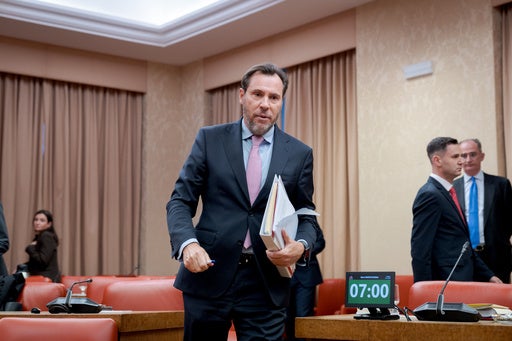
As the sun dipped below the horizon in Madrid, the somber atmosphere was palpable. Families gathered outside hospitals, clutching each other tightly, their faces etched with grief and disbelief. Just six days earlier, a catastrophic high-speed train collision had claimed 69 lives, sending shockwaves through Spain and raising urgent questions about rail safety. In the wake of this tragedy, Transport Minister Óscar Puente announced his resignation, a decision that echoed the gravity of the situation and the urgent need for accountability in the wake of national tragedies.
What Happened
On October 28, 2026, a high-speed train traveling on the Madrid-Seville line collided with another train that had stopped on the tracks. This incident was not just a tragic anomaly; it was the second deadly crash involving Spain's high-speed rail network within a year, prompting immediate scrutiny of the systems in place. The crash was precipitated by a failure of the communication system, which is critical for the safety mechanisms that govern train operations. Central controllers in Madrid, in a grave misjudgment, authorized the Renfe high-speed train to proceed despite the presence of a stationary train operated by Iryo.
Puente's resignation came after a lengthy appearance before lawmakers, where he emphasized the impossibility of maintaining his position after two such severe incidents within a short timeframe. "A transport minister in a country like Spain cannot remain in office after two accidents of this seriousness in less than a year," he stated, highlighting the weight of responsibility that accompanies such tragic events.
The first crash, which occurred in January 2026, involved a derailment that resulted in 46 fatalities. This earlier incident remains under investigation, further compounding the urgency for reforms within Spain's rail infrastructure. The high-speed rail network, celebrated as one of Spain's most significant achievements, is now facing a crisis of confidence as the public questions its safety protocols.
Community Reaction
The news of the minister’s resignation resonated deeply within the communities affected by the tragedies. Families of the victims expressed a mix of sorrow and anger, demanding accountability and change. Local resident Maria Gonzalez, who lost her brother in the recent crash, stated, "We need to know that our safety is prioritized. This cannot happen again." Such sentiments reflect a broader anxiety among the public, as they grapple with the implications of these accidents on their daily lives and travel safety.
In the aftermath of the crash, many turned to social media to voice their concerns, with hashtags calling for justice and systemic reform trending across platforms. The sentiment was clear: the public demands not only accountability but also tangible improvements to ensure the safety of the rail system. The government’s response will be crucial in restoring trust and confidence in a network that has long been a source of national pride.
Many community members have begun organizing vigils to honor the victims of the crash, creating spaces for collective mourning and reflection. These gatherings have become a platform for families to share their stories, emphasizing the human cost of such tragedies. Local leaders are also stepping up, advocating for a comprehensive review of the rail safety protocols and pushing for more stringent regulations to prevent future occurrences.
Safety Measures Announced
In light of the recent incidents, Puente outlined several immediate safety measures aimed at enhancing the reliability of the rail network. These include improvements in control center conditions and an accelerated implementation of the standardized European Rail Traffic Management System, which is designed to enhance safety and signaling across the network. These steps are seen as essential in addressing the systemic failures that have led to these tragic events.
Experts in transportation safety have also weighed in, emphasizing the importance of rigorous safety protocols and regular system audits. Dr. Elena Ruiz, a transportation safety analyst, commented, "Spain's rail system has been a benchmark for efficiency, but these accidents reveal vulnerabilities that must be urgently addressed." The implementation of new safety measures is a step in the right direction, but many are calling for a comprehensive review of existing protocols to prevent future tragedies.
In addition to the immediate changes announced, experts suggest that the government should consider investing in advanced technologies such as predictive analytics and artificial intelligence to enhance monitoring systems. These technologies could provide real-time data on train operations and potential hazards, thereby increasing the overall safety of the rail network.
What's Next
As Spain approaches a national election in just a few weeks, the implications of these accidents extend beyond immediate safety concerns. Political analysts suggest that the public's reaction to the government's handling of this crisis could significantly influence voter sentiment. With the transport minister stepping down, the incoming leadership will face immense pressure to demonstrate a commitment to safety and accountability.
In the coming weeks, the government will be tasked with not only implementing the announced safety measures but also communicating effectively with the public about the steps being taken to enhance rail safety. Transparency will be critical in rebuilding trust among travelers who rely on the high-speed rail network for their daily commutes and long-distance travel.
Furthermore, the government may need to engage in a broader dialogue with stakeholders, including rail workers, safety advocates, and the affected communities, to ensure that the reforms are comprehensive and address the root causes of the accidents. This collaborative approach could foster a sense of shared responsibility and commitment to safety.
Looking Ahead
The recent crashes may serve as a catalyst for broader reforms within Spain's transportation sector. Stakeholders, including government officials, rail operators, and safety experts, will need to collaborate to establish a framework that prioritizes safety without compromising efficiency. This could involve increased investment in technology, infrastructure upgrades, and training for personnel responsible for operating and monitoring the rail system.
As Spain navigates this challenging period, the hope is that the lessons learned from these tragedies will lead to a safer rail network that honors the memories of those lost. The commitment to a robust and secure transportation system is not just a matter of policy; it is a promise to the families and communities who depend on it daily. The journey towards healing and reform begins now, and it is imperative that all stakeholders remain engaged in this critical dialogue.
In conclusion, the resignation of Transport Minister Óscar Puente marks a pivotal moment in Spain's ongoing journey to ensure rail safety. As the nation mourns the victims of the recent crashes, it is crucial that the government acts decisively to implement the necessary reforms that will prevent such tragedies from recurring. The road ahead may be fraught with challenges, but it is a journey that must be undertaken for the sake of the safety and well-being of all who travel on Spain's railways.