Stray kittens bite kids, then started foaming at the mouth, parents say Monroe County Health Dept. left them waiting for answers
Evelyn graduated from Bard College with a degree in Art History. She has spent the past three years covering local art events and cultural happenings for Rochester City Newspaper, bringing a unique perspective to the city’s vibrant arts scene.
More from Evelyn →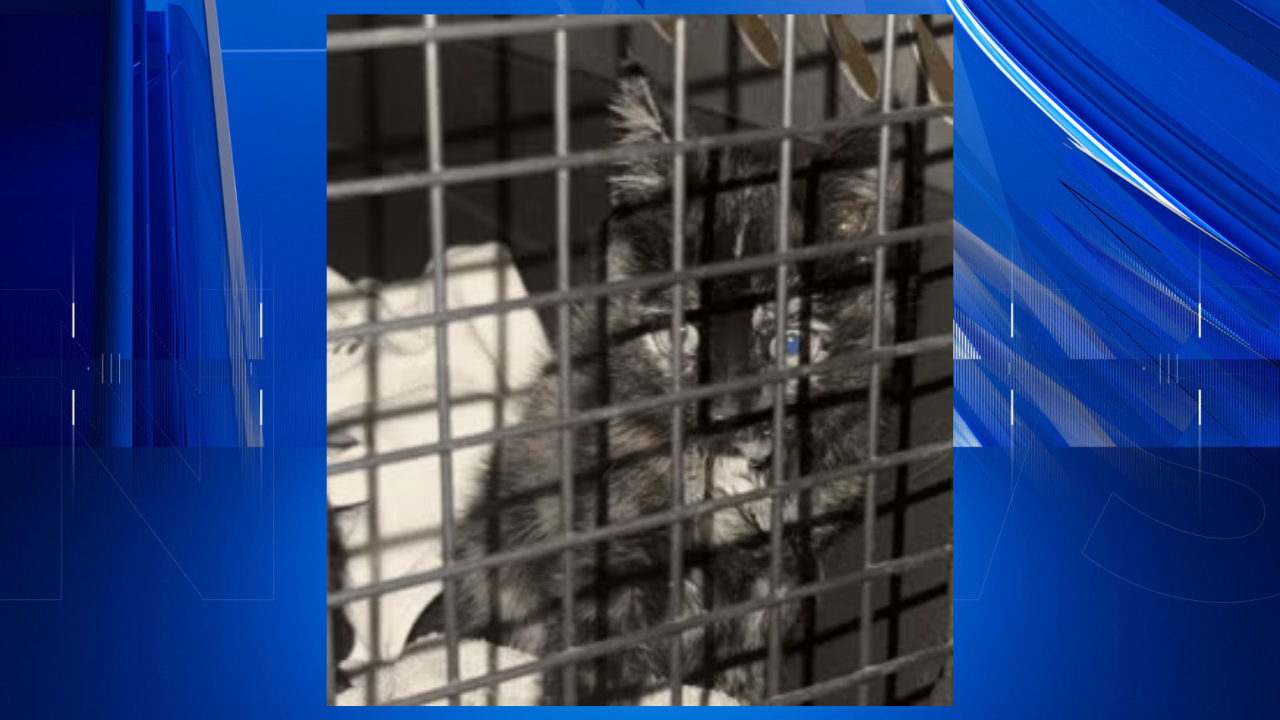
In this story
On a chilly Halloween night in Greece, New York, a neighborhood was suddenly shadowed by a quiet but unsettling threat. Two children, innocent in their curiosity and eager for the thrill of trick-or-treating, found themselves in a moment that would linger in their families’ memories far longer than the costumes or candy. As they bent down to pet a stray kitten, what seemed like a simple act of kindness turned into a frightening ordeal—bitten by a sickly feline that would soon exhibit alarming symptoms, including foaming at the mouth. This scene, seemingly straight out of a horror story, underscores a deeper concern that has rippled through the community: the specter of rabies lurking in stray animals, and the sometimes slow response of public health authorities.
What Happened: A Night of Innocence Turns Troubling
The incident began when the children encountered the stray kittens during their Halloween festivities. The kittens appeared lethargic, not eating, and visibly unwell—a warning sign that something was amiss. Despite these signs, the children’s parents attempted to rescue the animals, only to discover that one of the kittens had started foaming at the mouth before passing away within hours. The second kitten’s death followed the same tragic pattern, raising immediate red flags about rabies—a deadly viral disease that can be transmitted through animal bites.
Chris Franklin, father of a 10-year-old who was bitten, recounted the harrowing experience: “Monday morning the cat has passed away, everybody’s like well, we’re going to the hospital.” The families’ concern was compounded by the fact that, at the hospital, they were not immediately offered the rabies vaccine, a standard precaution in such cases. Instead, they were told that the cats’ symptoms could be caused by many other illnesses, and that rabies testing was necessary before any treatment was administered. This hesitation, rooted in public health protocols, left the families waiting anxiously for definitive answers, a waiting period that stretched for days.
Community Reaction: Fear, Frustration, and a Call for Clarity
Uncertainty and the Waiting Game
The delay in testing results and the subsequent lack of immediate treatment sparked frustration among the families and community members alike. Franklin expressed his concern: “I’m 6 days in, we still have no answers, we keep being re-assured that we’ll find out soon but I’m sorry that’s not soon enough.” The families’ ordeal highlights the often complex decision-making processes involved in rabies prevention, where public health officials must weigh the risks of treatment against the potential severity of the disease.
Many residents of Greece and neighboring towns have expressed concern about the handling of such cases, especially given the proximity of local parks, wooded areas, and the Monroe County Animal Shelter, which often encounters stray animals. The community’s close-knit nature means that any threat of rabies, which is nearly always fatal once symptoms appear, strikes a nerve. Parents are now questioning whether more can be done to prevent such incidents or to speed up testing and response times.
In response to inquiries, the Monroe County Health Department explained that in 2025, they processed 174 samples for rabies testing, with only 14 testing positive. The positive cases included two cats, seven bats, a skunk, three raccoons, and a fox. This data underscores the rarity of rabies in the region but also emphasizes the importance of swift action when exposure occurs. The department’s approach balances the low prevalence against the deadly risk, often opting for a cautious wait-and-see period before administering vaccines.
The Local Context: Stray Animals and Rabies Risks in Monroe County
Monroe County, which encompasses Rochester and surrounding communities like Greece, has long grappled with issues related to stray animals and rabies. The county’s geographic layout, with its mix of urban, suburban, and rural areas, creates a complex environment for managing animal populations. The Monroe County Animal Shelter, located in Rochester, is tasked with caring for stray and abandoned animals, many of whom are unvaccinated and at risk of carrying rabies.
Local residents often encounter stray cats and dogs in neighborhoods, parks, and alleyways. The shelter’s director, Laura Johnson, notes that while most stray animals are healthy, some do test positive for rabies, especially in the late summer and fall months when raccoon and bat activity increases. The shelter works closely with public health officials to monitor and respond to rabies cases, but limited resources and the sheer volume of animals make swift responses challenging.
Community members like John Rivera, a local animal advocate, emphasize the importance of responsible pet ownership. “Vaccinating your pets is the first line of defense,” he says. “It’s crucial, especially here, where stray animals can pose a real health threat. We need more outreach and education so people understand the risks and how to protect themselves and their pets.”
Why It Matters to This Community
Though rabies is rare in Monroe County, the potential consequences of exposure are severe. The disease is almost always fatal once symptoms appear, and treatment must be administered promptly after exposure. For families like the Franklins, the delay in testing and treatment decisions adds emotional strain and uncertainty. It also raises questions about whether existing protocols are sufficient to protect residents, especially children, who are most vulnerable.
In addition, incidents like these highlight the importance of community-wide efforts to prevent rabies. Schools, local government, and health organizations have a role in educating residents about rabies risks and encouraging vaccination of pets. The incident has also sparked discussions about stray animal management, community outreach, and the need for faster testing procedures.
Local officials are now considering how to improve communication between health departments, hospitals, and residents. Some are advocating for faster testing methods or on-site rapid testing kits, which could significantly reduce wait times and improve response times in future cases. Community leaders are also exploring ways to increase vaccination rates among pets and stray animals, including mobile vaccination clinics and public awareness campaigns.
What Happens Next: Building a Safer Community
The Franklin family, after finally receiving the late Thursday test results confirming no rabies, expressed a mixture of relief and frustration. “We’re grateful it wasn’t rabies, but the process was exhausting,” Chris Franklin said. “It’s hard to trust the system when you’re left waiting for days with no answers.” Their experience underscores the need for ongoing improvements in public health response protocols.
Public health officials acknowledge that while the low prevalence of rabies in Monroe County suggests that such incidents are rare, every case is a reminder of the importance of vigilance. They are now reviewing their procedures to see if faster testing or more transparent communication could be implemented without compromising safety.
Community leaders and residents are calling for increased public education on rabies prevention, including the importance of vaccinating pets and avoiding stray animals. Local schools and community centers are being encouraged to host informational sessions, and the Monroe County Health Department plans to expand outreach efforts.
As the community continues to celebrate holidays and daily life, the hope is that incidents like this remain isolated. The community’s strength lies in its ability to come together, learn from challenges, and build a safer environment for everyone—especially its children. The incident serves as a stark reminder that vigilance, education, and swift action are vital in safeguarding public health in Monroe County.